Short Bob Hair Styles: Fresh Cuts That Look Good and Feel Easy
Refresh your look with Short Bob Hair Styles, explore blunt bobs, soft layers, and side parts, plus what to ask for at your next cut at the salon.
LIFESTYLE INSPIRATION
Shari Smith
1/13/20267 min read
As an Amazon affiliate, we earn commissions at no extra cost to you if you click our links and make a purchase.
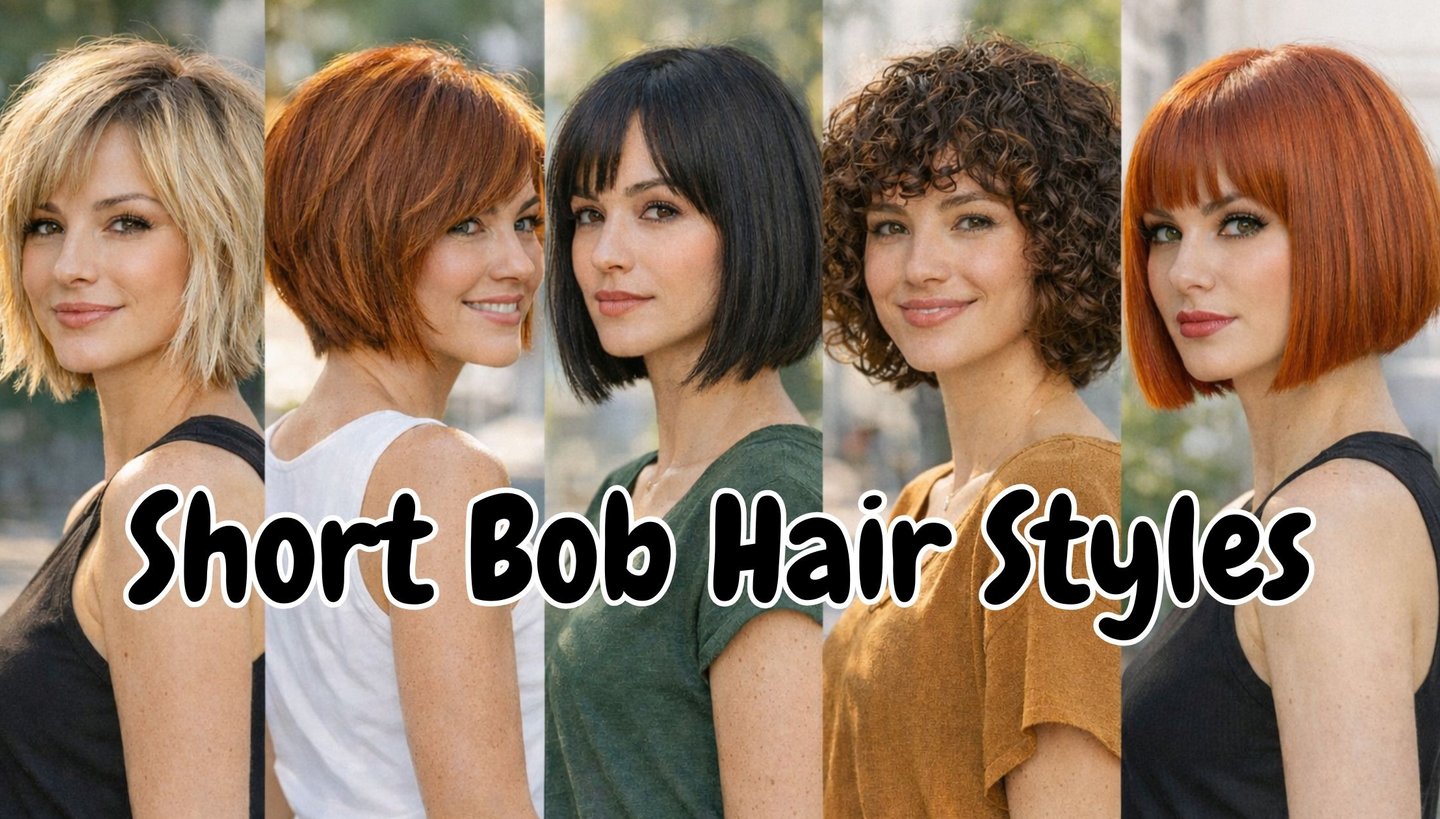
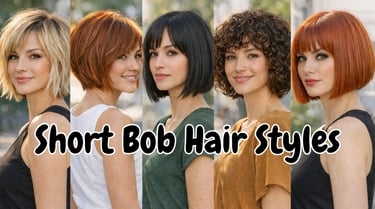
Short bob hair styles have a way of making everything feel lighter. Your hair dries faster, your neck shows off a little, and your whole look can feel sharper without trying harder.
The best part about the bob haircut is how flexible it is. One classic bob can look sleek and bold, another can look soft and tousled, and both can be low maintenance once the cut is right.
Below you’ll find bob ideas, who they work for, what to ask for at the salon, and simple ways to style them at home, even if you don’t want to spend 30 minutes in front of a mirror.
How to pick the right short bob for your face shape and hair type
Before you screenshot a dozen cuts, narrow down three things: length, part, and weight.
Length changes the whole vibe. A bob that hits at the cheekbone looks playful and edgy. Chin-length feels classic. A jaw-length bob can feel a bit stronger and more structured, especially as a transition from shoulder length.
Part is the quiet detail that makes a big difference. A middle part reads clean and modern. A side part adds lift at the roots and can soften a fuller cheek area.
Weight is what your stylist removes (or keeps) based on your hair density. Blunt ends look thick and sharp. Layers add movement and reduce hair volume, but too many layers can make fine hair look wispy.
Face shape cheat sheet for round, oval, square, heart face shapes
Face shape isn’t a rulebook, it’s a starting point. Think of the bob as a frame; you can shift where it “holds” the face.
Round: Aim for soft angles and face framing length in front. An A-line bob, a side part, or side-swept bangs can help the face look longer. Keep volume a touch higher at the crown, not at the sides.
Oval: Most bob lengths work. If you want a bolder look, try cheekbone to chin length. If you want easy grow-out, keep it closer to the jaw and add light texture.
Square: Movement around the jaw helps. Ask for soft layers, curved ends, or a slightly longer front. A blunt jaw-length line can feel boxy on some people, but a textured edge usually fixes that.
Heart: Balance a wider forehead with fullness near the jaw. French bobs, side bangs, and soft waves around the lower half of the cut can look great.
Hair texture match, fine, thick, curly, coily, wavy, straight
Your hair texture decides how a short bob behaves on day two, not just how it looks leaving the salon.
Fine hair often looks best with a blunt or lightly textured edge. A clean line makes hair look thicker. Too many layers can make the ends look thin.
Thick hair can feel heavy in a short bob unless the inside is shaped. Internal layers and weight removal keep the outline but stop the “helmet” look. You can still keep the ends fairly blunt.
Wavy hair loves a bob with texture built for your hair texture. Waves add built-in volume, so a few choppy layers help the shape sit right. Plan for a bit of bend at the front, since waves can kick out.
Straight hair shows every detail, so the cut needs precision. A blunt bob looks sharp. If you want more movement, go for soft layers, not heavy stacking.
Curly hair looks best when the cut is built around your hair texture. Shrinkage matters. A bob can look chin-length wet and cheekbone-length dry.
Coily hair needs even more shrinkage planning and a shape-first approach. Many people prefer curl-by-curl shaping so the silhouette stays balanced. Styling time can be quick, but only if the cut supports your pattern.
Short bob hair styles to try now (with who they are best for)
Explore these short bob hair styles like a fitting room. Each bob has its own “feel,” and the right one depends on your hair, your routine, and how often you want trims.
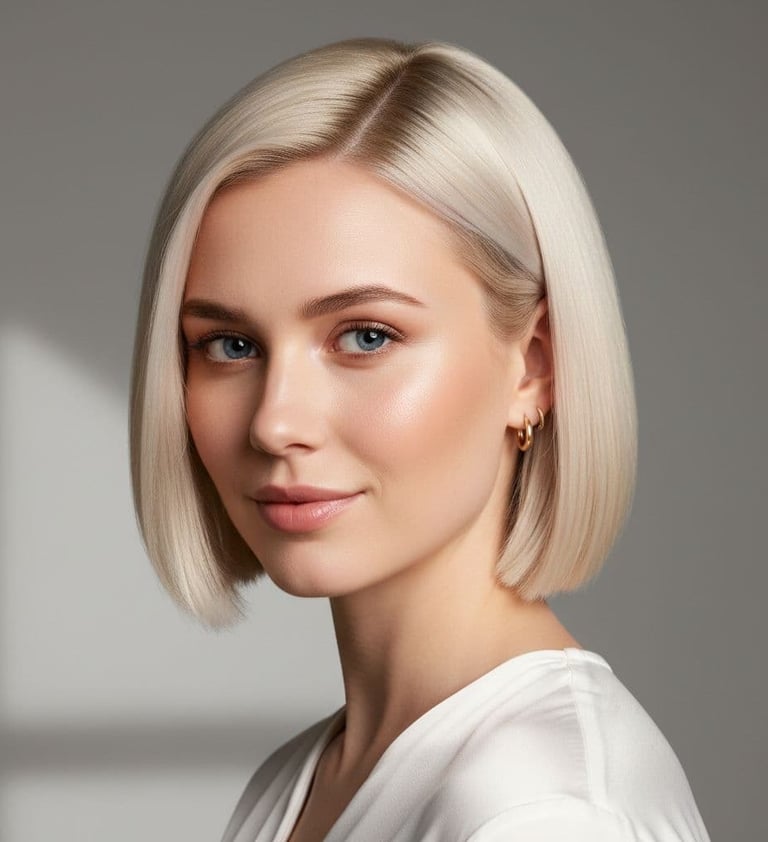
Blunt chin-length bob (sleek, bold, and easy to maintain)
This blunt bob delivers a crisp, even line at chin length that looks expensive without extra effort. The blunt edge makes hair look thicker, which is why it’s a favorite for fine hair.
Best for: straight to slightly wavy hair, fine to medium density.
Why choose it: strong shape, clean finish, easy daily styling.
Styling tip: use heat protectant, flat iron lightly, then tuck one side behind your ear for instant polish.
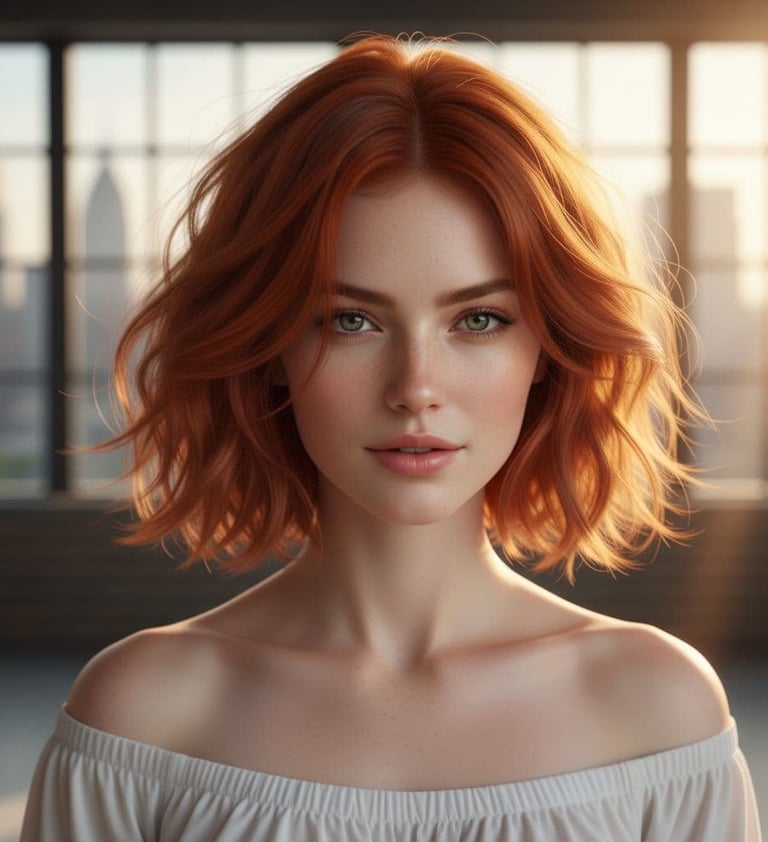
Textured bob with choppy layers (messy-cool volume)
This choppy layered bob has airy layers and piecey ends, so it moves when you walk. It takes weight out of thick hair and keeps wavy hair from puffing into a triangle.
Best for: wavy hair, medium to thick hair.
Why choose it: volume without stiffness, softer grow-out.
Styling tip: mist texture spray, scrunch, air dry or diffuse, then tap a tiny bit of light paste on the ends for that messy bob vibe.
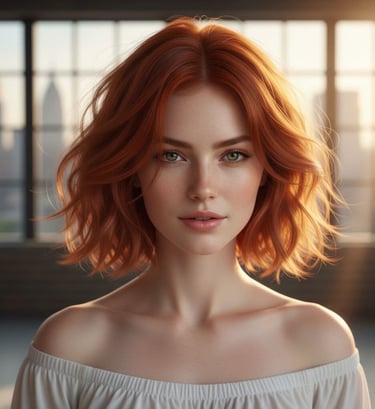
Stacked bob (shorter back, fuller shape)
A stacked bob is shorter in back with a rounded build that lifts the crown. It shows off the neckline and gives that “I have more hair than I do” effect, similar to an inverted bob.
Best for: fine to medium hair, anyone who wants crown lift.
Why choose it: strong shape, easy hair volume, neat from the side.
Styling tip: round-brush the back first, then smooth the top so the stack stays clean (go shorter all around for a pixie bob variation).
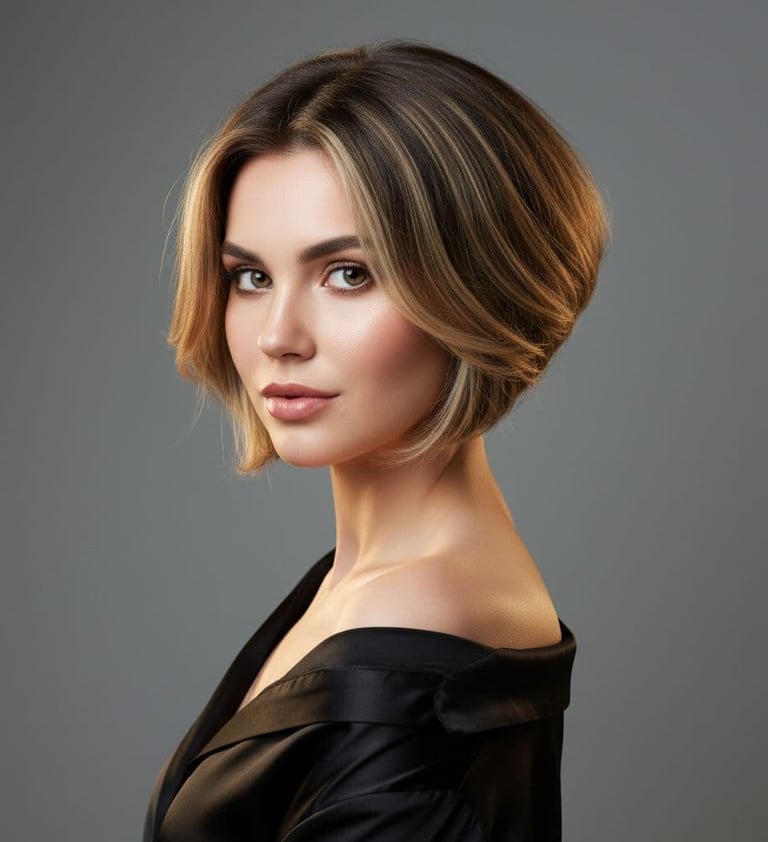
A-line bob (longer in front, sharp and flattering)
With longer front pieces and a lighter back, the A-line bob offers excellent face framing and can look slimming. It also feels less “short” if you’re nervous about going above the chin.
Best for: straight, wavy, and many curl patterns (with the right shaping).
Why choose it: face framing, light feel, modern outline.
Styling tip: blow dry forward with a paddle brush, then bend the ends slightly inward.
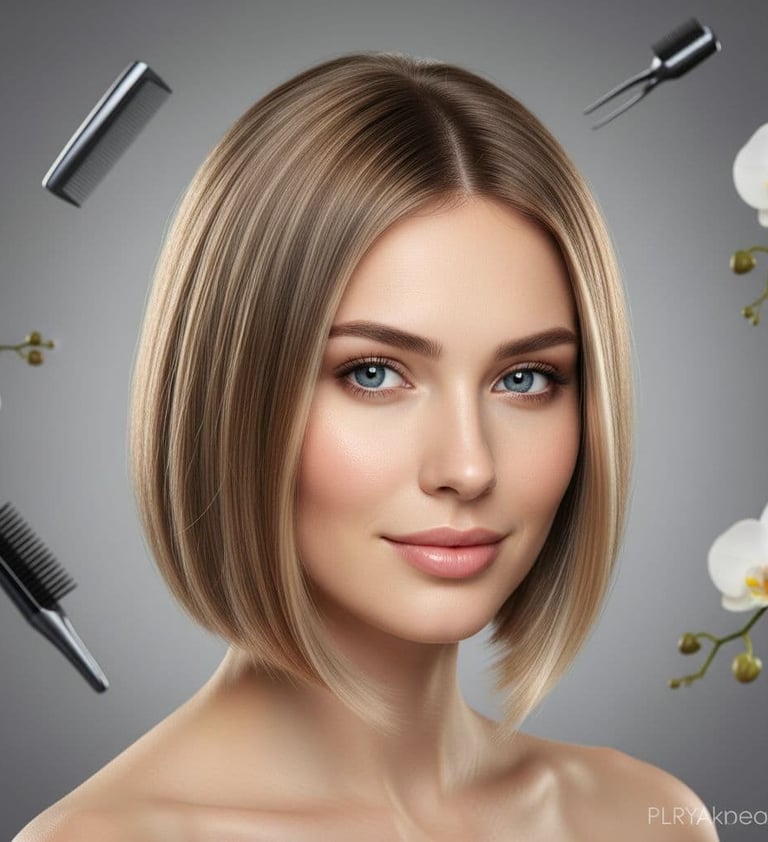
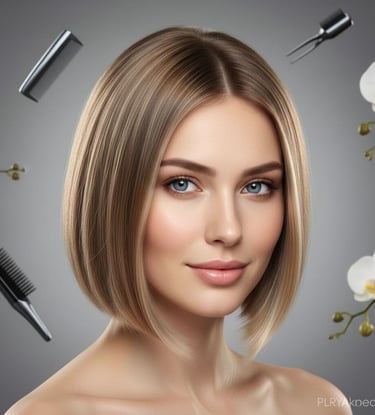
French bob with bangs (short, chic, and playful)
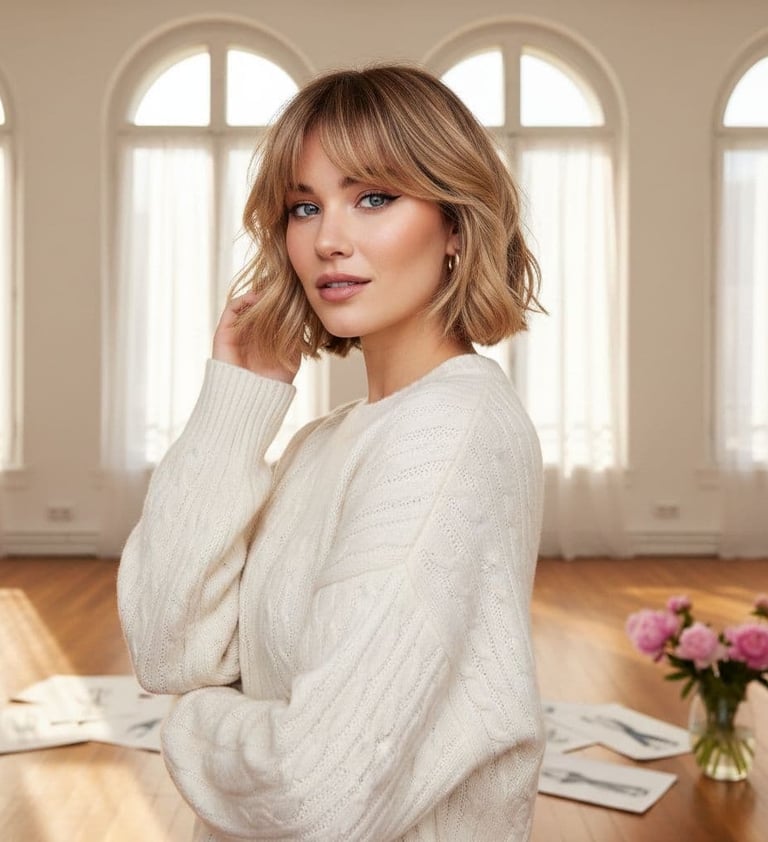
The French bob hits around cheekbone to chin length, often with a soft fringe. It reads effortless, even when you keep makeup and outfits simple.
Best for: straight, wavy, and loose curly hair.
Why choose it: youthful shape, great with air-drying, strong style identity.
Styling tip: air dry with smoothing cream, then use fingertips to lightly separate the bangs.
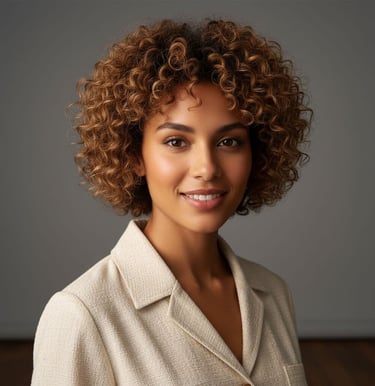
Curly short bob (shape-first cut for defined curls)
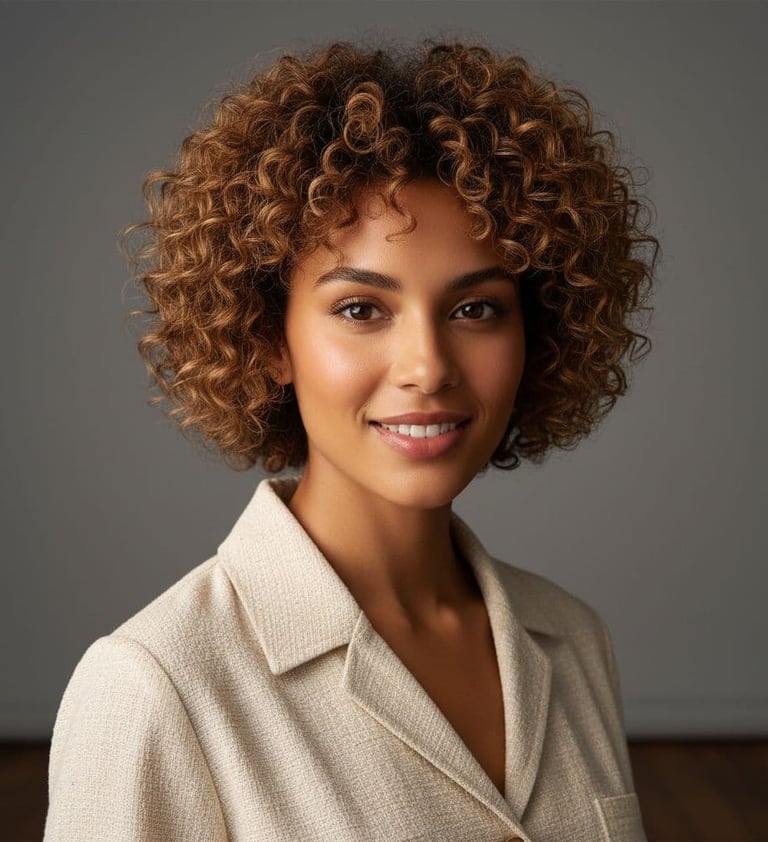
This bob isn’t about forcing curls straight. It’s about a balanced shape that keeps curly hair springy and defined, with the right length in the right spots.
Best for: curly hair and coily hair.
Why choose it: healthier styling habits, consistent shape, curl definition.
Styling tip: apply curl cream on soaking wet hair, diffuse on low, and don’t brush dry curls.
What to ask your stylist for (so your bob matches the photo)
When discussing your bob haircut with a stylist, a photo is helpful, but words close the gap. The same cut can look totally different based on density, texture, and how your hair grows at the nape.
Bring 2 to 3 photos from the front and side. If you wear your hair tucked behind your ears a lot, mention that too, since it affects how the line should sit.
The exact details to say, length points, layering, and neckline
Use a short checklist when you describe what you want:
Length: “I want chin length in the front (or jaw, or top lip).”
Ends: “I want blunt ends” or “I want soft, textured ends.”
Back shape: “Minimal stacking” or “noticeable graduation in back.”
Neckline: “Tapered nape” or “squared neckline.”
Glasses: “I want it to clear my frames when I tuck it back.”
Questions to ask before you commit to bangs or major shortening
Bangs and short length can be amazing, but ask the practical questions first:
How often will bangs need regular haircuts?
What will it look like air dried, not styled?
How will it grow out over the next two months?
Which tool will I actually need, flat iron, round brush, or diffuser?
If it’s your first short bob, start a little longer. You can always go shorter next visit.
Easy styling and upkeep for short bob hair styles
A bob should make mornings easier, not harder. The trick is matching your low maintenance routine to your texture, then trimming before the shape collapses.
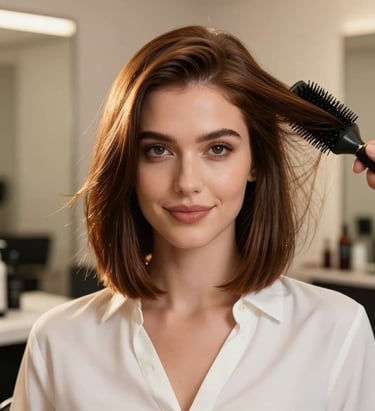
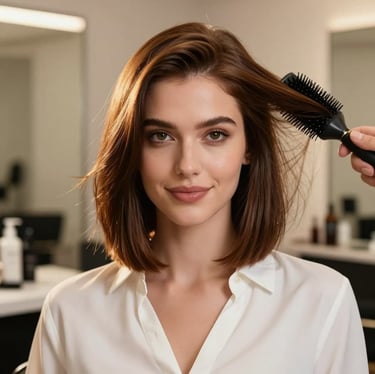
5-minute styling routines for straight, wavy, and curly hair
Straight hair: apply styling products like a smoothing cream, blow dry with a paddle brush, then add a slight bend at the ends with a flat iron. For hair volume, lift the roots while blow drying.
Wavy hair: mist styling products such as a light leave-in to enhance the textured look, scrunch, then diffuse for 2 to 3 minutes. If you air dry to embrace your natural texture, clip the crown for hair volume while it sets.
Curly hair: refresh with water and leave-in, glaze a curl cream over the top, then diffuse on low. Keep hands off until it’s dry to cut frizz and preserve your natural texture.
How often to trim, and how to grow out a short bob gracefully
Sharp bobs usually need regular haircuts about every 6 to 10 weeks. More textured cuts can often go longer without looking messy, closer to 8 to 12 weeks.
To grow out a short bob without the awkward stage, try small switches: change to a side part, add soft layers, use clips or headbands, and plan an in-between shaggy lob to reset the shape.
Conclusion
Short hair doesn’t have to feel limiting. The right short bob hair styles match your texture, your face, and the time you actually have in the morning.
Pick a classic bob as a safe first-time bob haircut to try, save a few clear photos, and book a quick consult so the stylist can consider your hair density and specific hair type, ensuring the cut fits your life. Now choose your favorite and decide what you want most: blunt, textured, stacked, or layered bob.