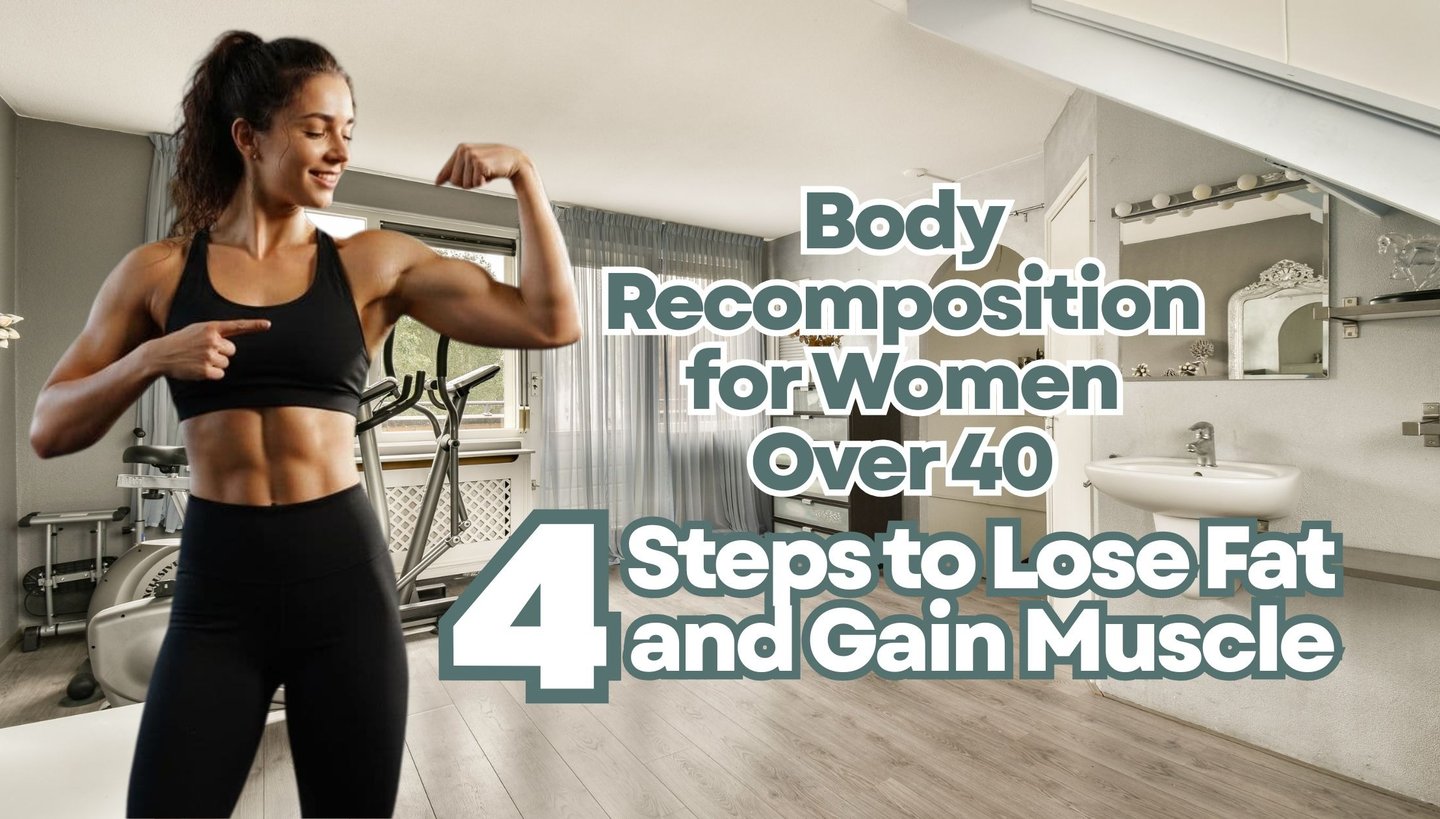
Body Recomposition for Women Over 40: 4 Steps to Lose Fat and Gain Muscle
Body Recomposition for women over 40, follow 4 clear steps to lose fat, build lean muscle, and feel stronger with simple training and food tips.
HEALTH & WELLNESS
Shari Smith
12/28/20257 min read
As an Amazon affiliate, we earn commissions at no extra cost to you if you click our links and make a purchase.
Can you lose fat while building muscle at the same time, without living on tiny meals or doing hours of cardio?
Yes. Body Recomposition is real, and it’s one of the best ways to change how you look and feel, especially over 40.
The goal is not just “weight loss.” It’s changing your body composition so you look tighter, stronger, and more defined.
What Is Body Recomposition?
Body recomposition is about your ratio of fat to muscle, a key aspect of improving your body composition.
When that ratio shifts, your body changes shape. More body fat with less muscle tends to look softer and less defined. More muscle with less body fat tends to look leaner and more athletic, think of the women featured as FitBody magazine cover models.
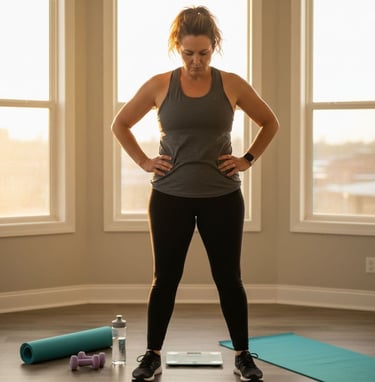
Here’s the key: your weight might not change much, especially at first. If you’re building lean body mass while reducing your body fat percentage, the scale can stay stubborn. But your measurements, progress photos, how your clothes fit, and what you see in the mirror can change a lot.
Adjust these ratios to change your overall look. That’s the heart of it.
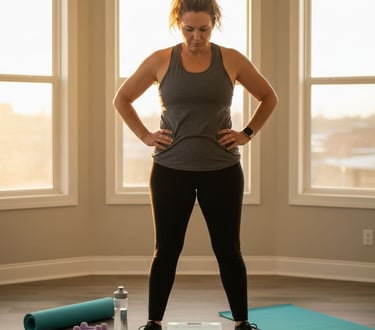
5 Common Body Recomposition Myths (That Keep Women Stuck)
A lot of frustration comes from outdated advice like traditional bulking and cutting cycles. These are the most common myths that block progress, especially for women over 40.
Myth #1: Strength training will make you bulky.
Strength training is the center of body recomposition. You need resistance training to build muscle, period. Many women worry they’ll suddenly look like a bodybuilder once they start strength training. That doesn’t happen. Women’s testosterone levels don’t support that kind of rapid size gain. What you can expect is a tighter, more defined look as muscle builds.Myth #2: After 40, you can’t gain muscle anymore.
Hormone shifts can make progress feel slower, and it may take more consistency than it did in your 20s. But it’s still possible to add muscle in your 40s and 50s. With the right training and nutrition, your body can respond. And there’s a big bonus: as lean mass increases, your metabolism tends to rise too, so you burn more calories throughout the day.Myth #3: You have to constantly change your workouts.
Some women rotate workouts every week, CrossFit one week, Orangetheory the next, then a running phase, then something new from social media. Variety can be fun, and moving your body is always a win. But body recomposition needs consistency, especially with strength work. A solid plan should stay mostly the same for about four weeks so you can practice form, track progress, and increase weight over time.
“This is more like a crock-pot than a microwave.” The results come from sticking with the plan long enough to let it work.Myth #4: Diet doesn’t matter that much if you work out hard.
Training matters, but nutrition matters just as much. A common issue is eating “crappy,” or creating a calorie deficit while training hard. If you’re living on 1,000 to 1,200 calories a day, you might lose weight, but you’ll make it much harder to gain muscle. For body recomposition, you need a high-protein diet and a solid balance of carbs, fats, and protein each day.Myth #5: More cardiovascular exercise equals better results.
Cardio is helpful for heart health, endurance, and energy. But it’s not the main driver of body recomposition. Think of cardio as icing on the cake. If you overdo it, it can work against muscle growth and make recovery harder. Strength training and nutrition come first; cardio supports the plan instead of running the show.
4 Steps to Start a Body Recomposition (Lose Fat and Gain Muscle)
Body recomposition doesn’t require extremes. It does require a plan you can repeat, week after week. These four steps cover the foundation: strength training, protein, cardio (done the right way), and recovery.
1) Strength train with progressive overload
If you want your body to change, you need to give it a reason. Progressive Overload means you slowly increase the challenge over time, usually by lifting heavier weights, doing more reps, adding sets, or improving control with Weight Lifting and Compound Exercises.
This matters because muscle growth is a response to stress. Your body adapts by building more lean tissue when the training is consistent and challenging.
A few guidelines that support recomp:
Lift as heavy as you safely can with good form.
Track what you lift so you know when you’re improving.
Stick with a consistent program for about four weeks before making major changes.
Push within your limits, then let recovery do its job.
Women over 40 often do best when they stop fearing weights and start training with purpose. The goal is not to “tone” with tiny dumbbells forever. The goal is to build muscle so your shape changes.
2) Eat enough protein (and spread it across the day)
Once you start lifting, your body needs the raw materials to build. Protein is the big one, and optimizing your Protein Intake is key to success.
A practical target is 30 to 35 percent of your diet from protein. That number is a helpful guide because it pushes protein high enough to support muscle growth while you drop body fat on a High-Protein Diet.
Good lean protein options from Whole Foods include:
Chicken breast
Egg whites
Turkey
Dairy
Greek yogurt
Aim to include protein with every meal, not just dinner. Getting 20 to 30 grams of protein per meal is a simple way to move toward that 30 percent target without making eating feel like math class, while balancing macronutrients like carbs and fats.
If you struggle to hit your Protein Intake numbers, protein powder can help as a quick option that provides essential Amino Acids. One top recommendation is Beverly International UMP (Ultimate Muscle Protein).
3) Do cardio the right way (daily movement plus short intense sessions)
Cardiovascular Exercise belongs in a body recomp plan, but it needs to be in the right dose to support Burning Fat while managing Caloric Intake.
First, prioritize daily movement.
Walking is the most underrated tool for body recomposition. Aim for at least 10,000 steps a day, or the equivalent if your day includes non-step movement. This kind of steady, low-intensity activity helps you burn more calories across the day and keeps your body active without crushing recovery, creating a mild Calorie Deficit.
Many women who have that “fitness model” look do one simple thing consistently: they move a lot. They’re not sitting all day, even if they’re not doing marathon workouts.
Second, add short HIIT sessions a few times per week.
Two to three times a week, include 15 to 20 minutes of interval cardio where you alternate high and low intensity. The goal is to push your heart rate up in short bursts, then recover, then repeat. Keep it smart and joint-friendly, especially if your knees or hips get cranky.
4) Prioritize recovery (rest days, sleep, and support)
Recovery is where your body actually changes, preserving and building Muscle Mass. Training is the spark, recovery is the rebuild.
A few things to get right:
Take rest days when you need them.
You don’t need to work out every single day to get results. Rest days help your muscles repair, help your nervous system calm down, and often lead to better workouts next session because you can push harder, supporting gains in Skeletal Muscle Mass.
Protect your sleep.
Sleep and recovery are tied together. When sleep is off, hunger goes up, energy goes down, and workouts feel harder than they should. Quality sleep also boosts Resting Energy Expenditure by maintaining Muscle Mass.
Consider targeted supplements (optional).
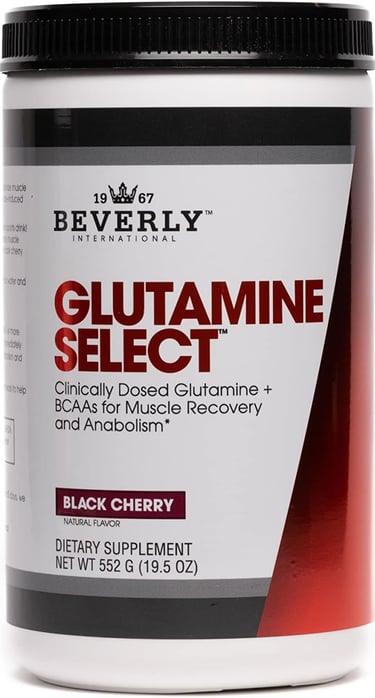
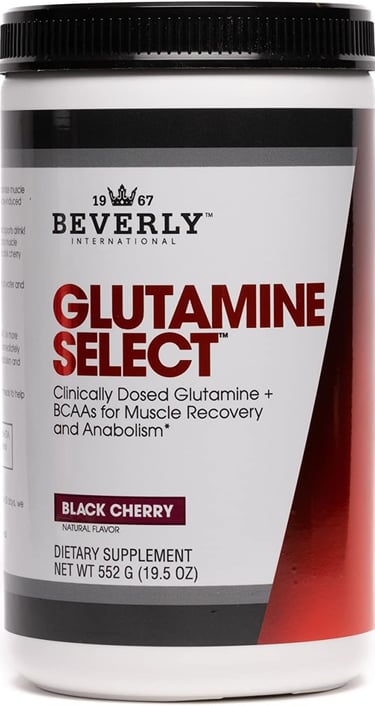
Two options mentioned for recovery support are Glutamin Select and ZMA (a zinc-magnesium blend taken before bed). ZMA is often used to support sleep, which then supports recovery.
Beverly International Glutamine Select
Clinically Dosed L-Glutamine and Amino Acid Formula for Lean Muscle and Recovery.
How Long Does Body Recomposition Take?
The timeline depends on your starting point, your consistency, and how your body responds. Someone new to training often sees quicker early changes. Someone who has been exercising for years may need a tighter plan and more patience.
Here’s a realistic Body Recomposition timeline many women experience:
4 to 6 weeks: More energy, better workouts, clothes start fitting a bit better.
2 to 3 months: Visible changes from building muscle mass and losing fat start showing up in the mirror, arms look different, shoulders look rounder, abs start to show more.
4 to 6 months: Significant changes in shape and definition.
Around 1 year: Bigger shifts in muscle definition and overall “lean, defined” look.
This is the same message worth repeating: it’s a crock-pot process. Stay consistent long enough for the work to show. Take progress photos to track long-term success, and consider a DEXA scan to verify internal changes over several months.

4 Steps to Lose Fat & Gain Muscle
Conclusion: Build the Body, Don’t Chase the Scale
Body Recomposition comes down to simple actions done consistently: lift with progressive overload, eat enough protein and healthy fats, move daily with smart cardio, and protect recovery.
Building muscle through this approach boosts your metabolism for long-term benefits. You don’t need crash diets or endless workouts. You need a plan you can repeat.
If you want a clear starting point, grab the free Reignite Your Metabolism After 35 guide and start applying the steps above for the next four weeks.
If you want a more personal plan, online fitness and nutrition coaching for women can help match training and nutrition to your goal and your body.